



Trk Receptor
Tropomyosin related kinase receptor
Trk receptors are a family of three receptor tyrosine kinases (TrkA, TrkB, and TrkC), each of which can be activated by one or more of four neurotrophins-nerve growth factor (NGF), brain-derived neurotrophic factor (BDNF), and neurotrophins 3 and 4 (NT3 and NT4).
TrkA, TrkB, and TrkC are transmembrane proteins that comprise the TRK receptor family. These receptor tyrosine kinases are expressed in human neuronal tissue, and play an essential role in both the physiology of development and function of the nervous system through activation by neurotrophins (NTs). The latter are specific ligands known as NGF for TrkA, BDGF, and NT-4/5 for TrkB and NT3 for TrkC, respectively.
The binding of the ligand to the receptor triggers the oligomerisation of the receptors and phosphorylation of specific tyrosine residues in the intracytoplasmic kinase domain. This event results into the activation of signal transduction pathways leading to proliferation, differentiation and survival in normal and neoplastic neuronal cells.
Trk Receptor Isoform Specific Products
All Product Categories
-
Trk Receptor Inhibitors
(148)
View all products
-
Trk Receptor Agonists
(13)
View all products
-
Trk Receptor Antagonists
(4)
View all products
-
Trk Receptor Activators
(24)
View all products
-
Trk Receptor Modulators
(4)
View all products
-
Trk Receptor Degraders
(5)
View all products
-
Trk Receptor Controls
(4)
View all products
-
Trk Receptor Ligands
(2)
View all products
-
Trk Receptor Related Products (220)
Related Products (220)

-
Antibodies (9)
-
Trk Receptor Isoform Comparison
-
Cannflavin B
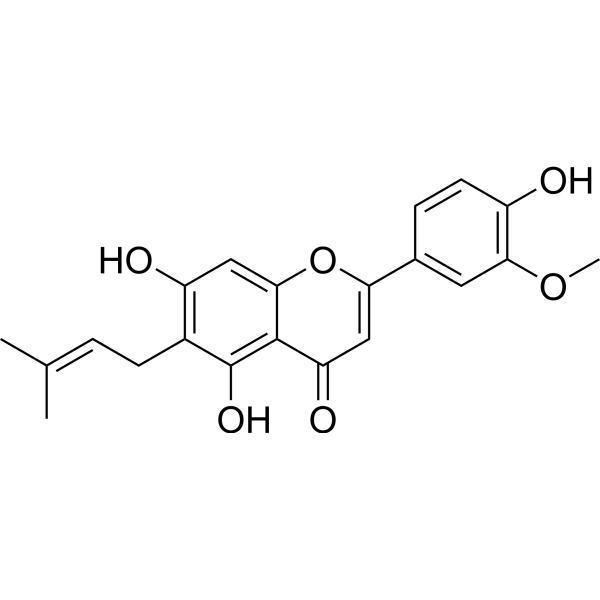 0 ImagesSynonyms: CanniflavoneCannflavin B is a flavonoid compound that can be isolated from Cannabis sativa L. Cannflavin B is inhibitors of PGE2 release (IC50: 0.7 μM), mPGES-1 (IC50: 3.7 μM), and 5-lipoxygenase. Cannflavin B has multiple activities such as anti-inflammatory, antioxidant, anti-glycation, anti-ferroptosis, anti-tumor, and anti-Leishmania (IC50: 14 μM). Cannflavin B can also inhibit the TrkB-BDNF signaling pathway.
-
DLK-IN-1
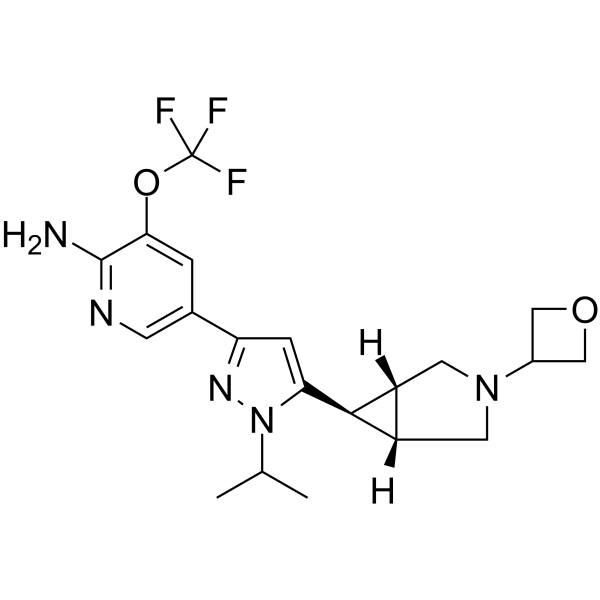 0 ImagesDLK-IN-1 (Compound 14) is an orally active, blood-brain barrier-penetrable and selective inhibitor of dual leucine zipper kinase (DLK, MAP3K12) with a Ki value of 3 nM. DLK-IN-1 inhibits Flt3, PAK4, STK33 and TrkA. DLK-IN-1 reduces p-c-Jun. DLK-IN-1 can be used in Alzheimer's disease research.
-
Ganglioside GM1 (bovine) ammonium
 0 ImagesGanglioside GM1 (bovine) ammonium is a type of glycosphingolipid, mainly found on the cell membranes of the central nervous system of vertebrates. Ganglioside GM1 (bovine) ammonium exerts neuroprotective effects by reducing excessive activation of NMDAR, activating TrkA and ERK1/2, and inhibiting oxidative stress and cell apoptosis and autophagy. Ganglioside GM1 (bovine) ammonium can be used in the research of diseases such as traumatic brain injury, Parkinson's disease, Alzheimer's disease, and Huntington's disease.
-
Amitriptyline hydrochloride (Standard)
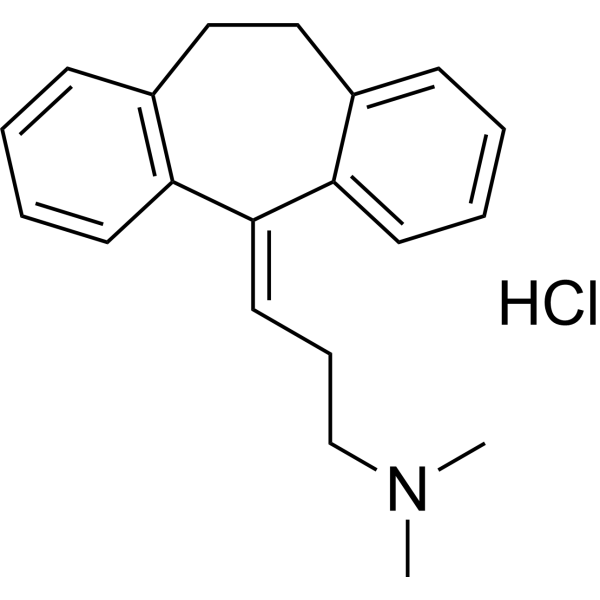 0 ImagesAmitriptyline hydrochloride (Standard) is the analytical standard of Amitriptyline hydrochloride (HY-B0527A). This product is intended for research and analytical applications. Amitriptyline hydrochloride is an orally active tricyclic antidepressant (TCA). Amitriptyline hydrochloride mainly exerts its antidepressant effect by blocking SERT (Ki = 3.45 nM) and NET (Ki = 13.3 nM), thereby increasing the concentrations of 5-hydroxytryptamine (5-HT) and norepinephrine (NE) in the synaptic cleft. Amitriptyline hydrochloride is also an agonist at α2A and TrkA/TrkB receptors, thereby exerting analgesic and neurotrophic activities (inhibiting cell apoptosis). Amitriptyline hydrochloride can reduce inflammation, angiogenesis and fibrosis. Amitriptyline hydrochloride binds to DAT (with Ki = 2.58 μM). Amitriptyline hydrochloride has high affinity for a series of receptors and can antagonize muscarinic cholinergic receptors (M1/M2/M3/M4/M5 receptors) (Ki = 11-24 nM), H1 receptors (Ki = 0.5-1.1 nM), adrenergic α1 receptors (Ki = 4.4 nM), etc., resulting in a series of side effects. Amitriptyline hydrochloride can block sodium channels and hERG potassium channel (IC50 = 4.78 μM) and it has cardiotoxicity.
-
Zurletrectinib
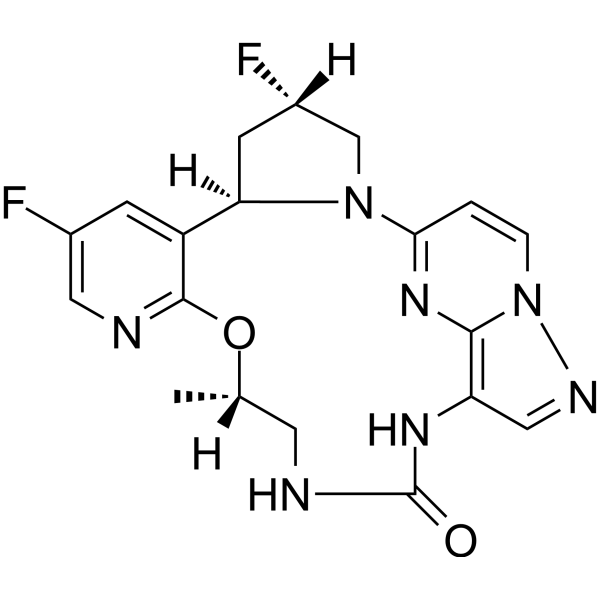 0 ImagesSynonyms: ICP-723Zurletrectinib is a brain-penetrant, orally active TRK inhibitor (TRKA IC50 = 0.81 nM; TRKB IC50 = 0.145 nM; TRKC IC50 = 0.184 nM). Zurletrectinib exhibits stronger activity as a consequence of its augmented binding affinity for TRK kinases. Zurletrectinib exhibits higher activity against most TRK inhibitor resistance mutations (13 out of 18 mutations). Zurletrectinib can be used for the study of glioma.
-
Paltimatrectinib
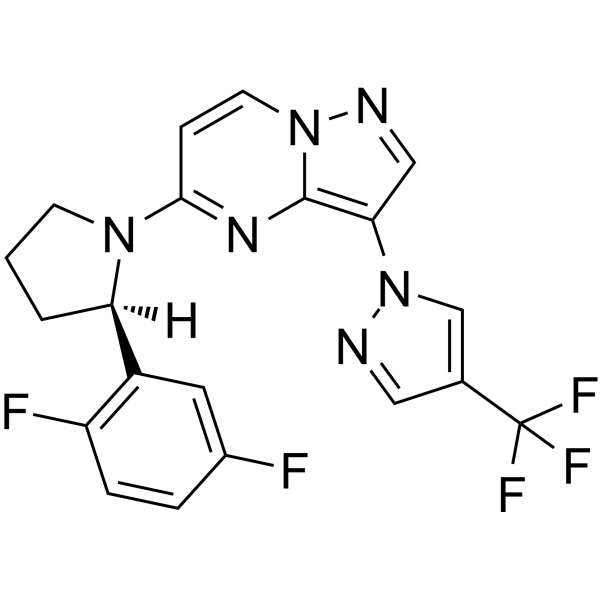 0 ImagesSynonyms: PBI-200; PPI-5278
-
Levomilnacipran hydrochloride
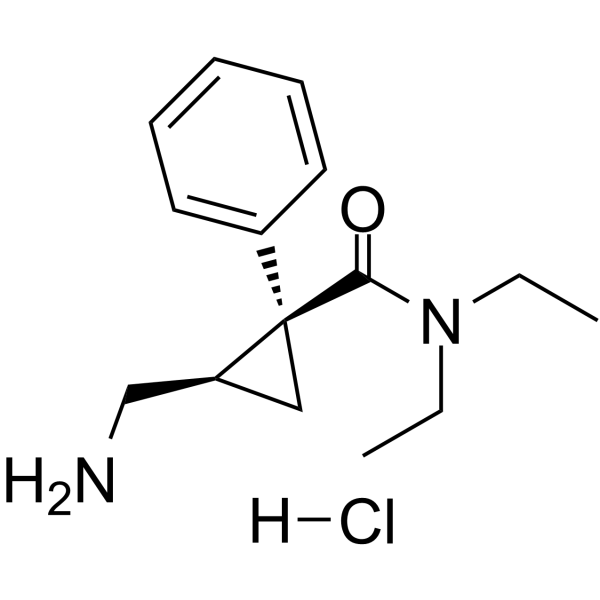 0 ImagesSynonyms: (1S,2R)-Milnacipran hydrochloride; F-2695 hydrochlorideLevomilnacipran ((1S,2R)-Milnacipran) hydrochloride is the enantiomer of Milnacipran (HY-B0168) and a strong substrate of P-gp that can cross the blood-brain barrier. Levomilnacipran hydrochloride is a serotonin and norepinephrine reuptake inhibitor, with IC50 values of 10.5 nM and 19.0 nM, and Ki values of 92.2 nM and 1.2 nM for human norepinephrine transporter (NET) and serotonin transporter (SERT), respectively. Levomilnacipran hydrochloride has antidepressant and anxiolytic activities. Levomilnacipran hydrochloride can be used for the research of depression.
-
CG428
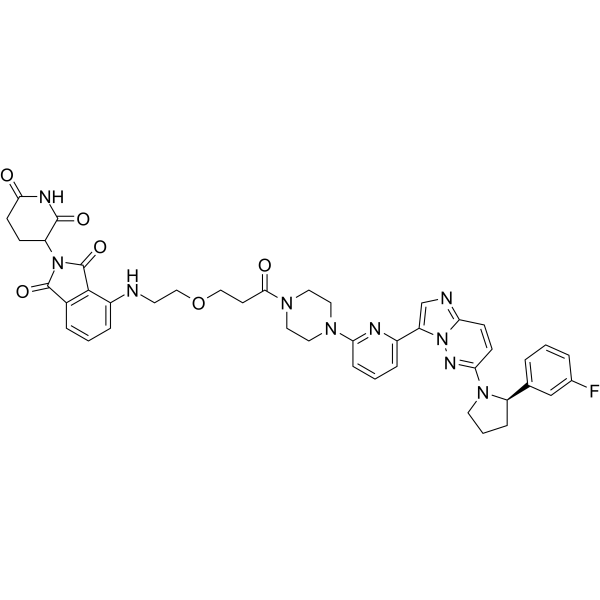 0 ImagesCG428 is a potent and selective CRBN-dependent tropomyosin receptor kinase (TRK) PROTAC degrader that has anti-tumor activity. CG428 reduces levels of the tropomyosin 3 TPM3-TRKA fusion protein in KM12 colorectal carcinoma cells (DC50 = 0.36 nM) and inhibits downstream PLCγ1 phosphorylation (IC50 = 0.33 nM). CG428 has a higher binding affinity for TRKA than TRKB and TRKC (Kd = 1 nM, 28 nM and 4.2 nM, respectively). CG428 can be used for the research of colorectal carcinoma.
-
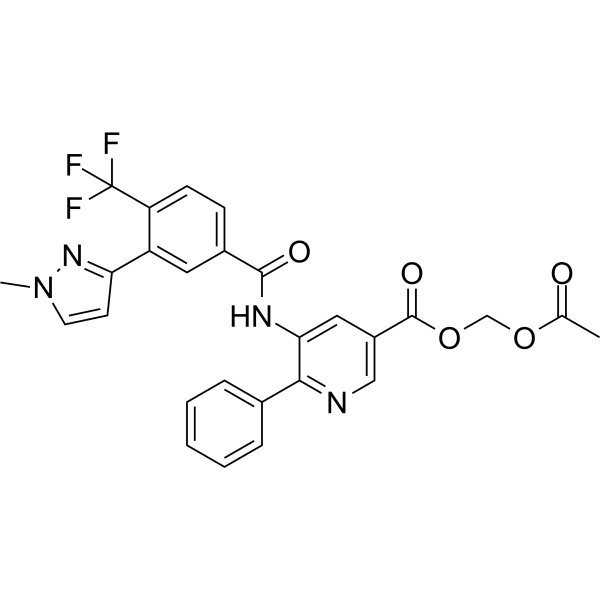
Fulranumab
 0 ImagesCat. No.: HY-P99200CAS No.: 902141-80-4Fulranumab is a human IgG2 monoclonal antibody against nerve growth factor (NGF) and can be used for the research of pain.
-
GNF-8625 monopyridin-N-piperazine hydrochloride
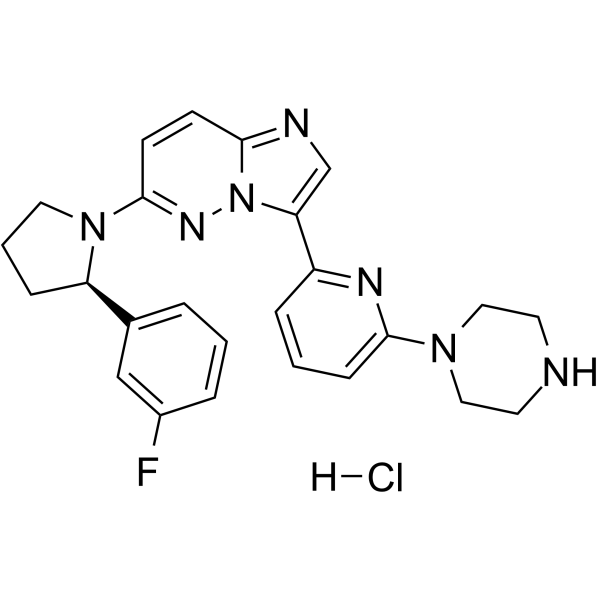 0 ImagesGNF-8625 monopyridin-N-piperazine hydrochloride (TRKi-2), a TRK inhibitor, which is from the patent WO 2020038415 A1.
-
Frunevetmab
 0 ImagesCat. No.: HY-P99627CAS No.: 1708936-80-4Synonyms: NV-02; PG110; ABT-110Frunevetmab (NV-02) is a felinized anti-nerve growth factor (NGF) monoclonal antibody with a Kd of 20 pM. Frunevetmab can effectively decrease osteoarthritis (OA) pain in cats.
-
Entrectinib-d8
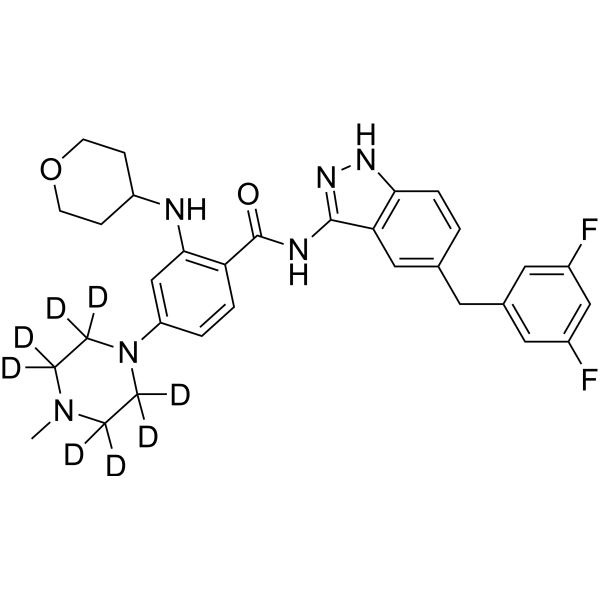 0 ImagesSynonyms: NMS-E628-d8; RXDX-101-d8Entrectinib-d8 (NMS-E628-d8; RXDX-101-d8) is a deuterated version of Entrectinib (HY-12678). Entrectinib (NMS-E628) is an orally available, blood-brain barrier permeable, central nervous system active TrkA/B/C, ROS1 and ALK inhibitor with IC50 values of 1, 3, 5, 12 and 12, respectively. 7 nM. Entrectinib induces apoptosis and cycle arrest in cancer cells, has anti-tumor activity, and also alleviates bleomycin-induced pulmonary fibrosis in mice.
-
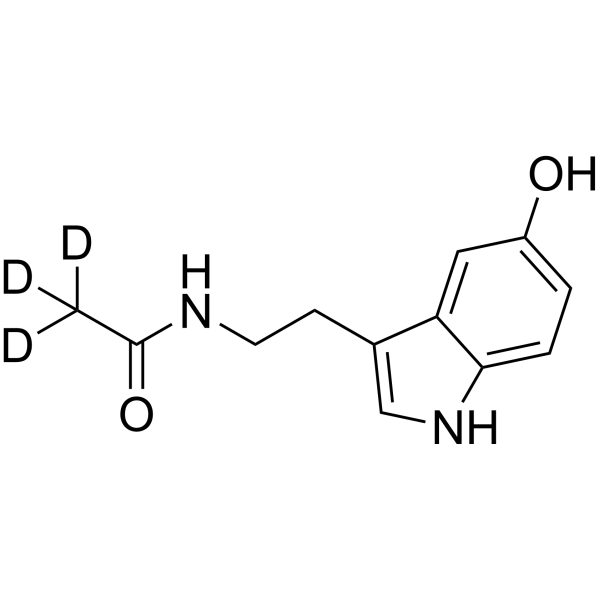
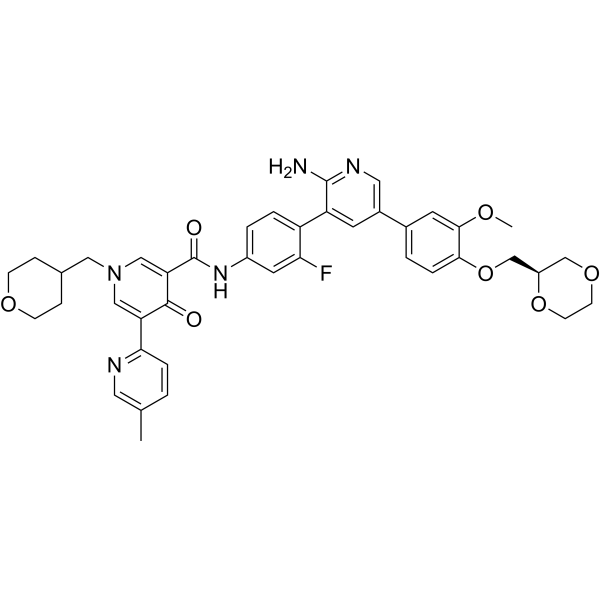
Utatrectinib
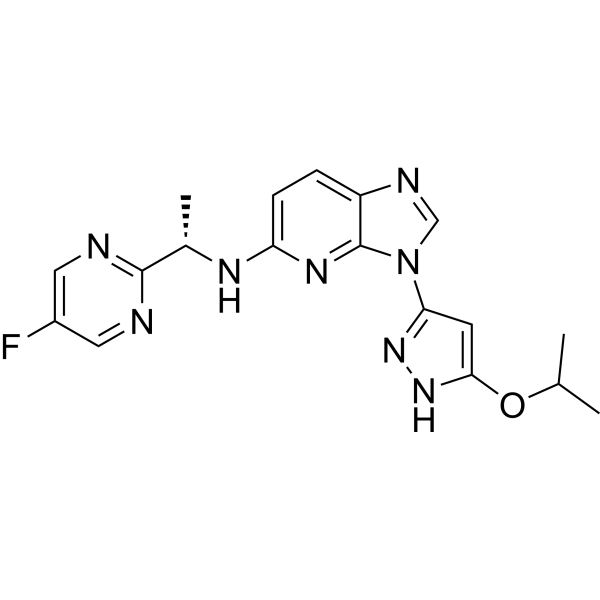 0 ImagesSynonyms: AZD-7451
-
2-Bromo-6-methoxynaphthalene
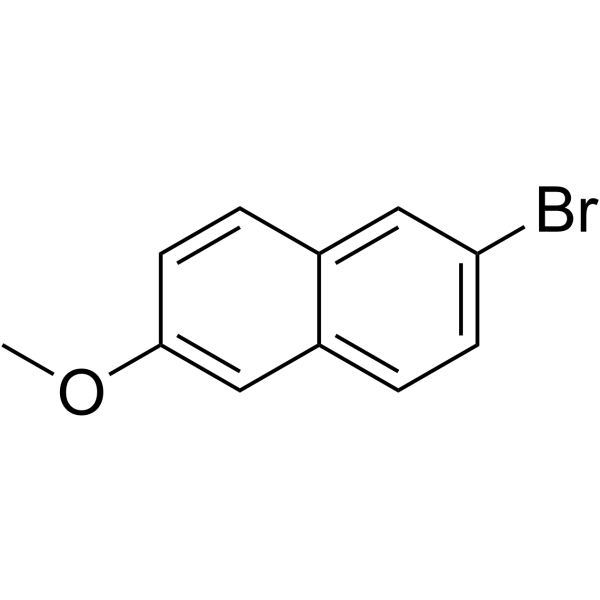 0 Images2-Bromo-6-methoxynaphthalene is an active intermediate in the production of anti-inflammatory agents like Naproxen and Nabumetone by Heck reaction. 2-Bromo-6-methoxynaphthalene has potential anti-inflammatory properties and Tyrosine-protein inhibitor properties. 2-Bromo-6-methoxynaphthalene can be used for the research of cancer.
-
Udonitrectag
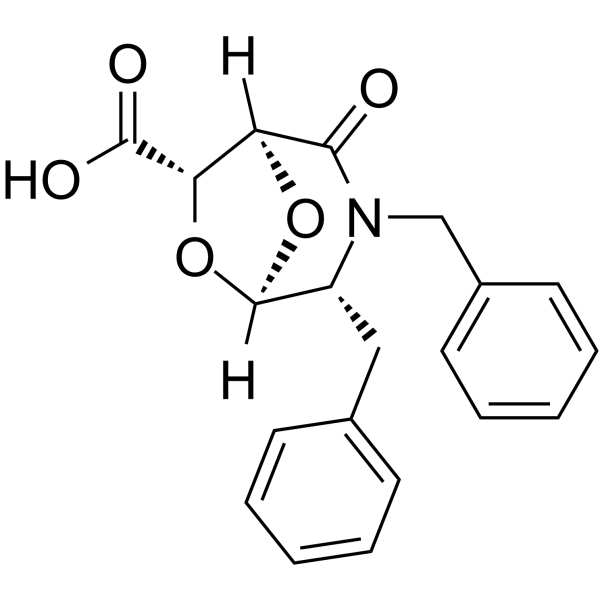 0 ImagesSynonyms: REC 0559Udonitrectag (REC 0559) is a nerve growth factor peptide mimetic and a TrkA receptor binder. Udonitrectag binds to the TrkA receptor, thereby mimicking anti-Apoptotic activity and corneal trophic activity. Udonitrectag promotes the healing of corneal epithelium and stroma. Udonitrectag is applicable to research related to neurotrophic keratitis.
-
Amitriptyline-d6 hydrochloride
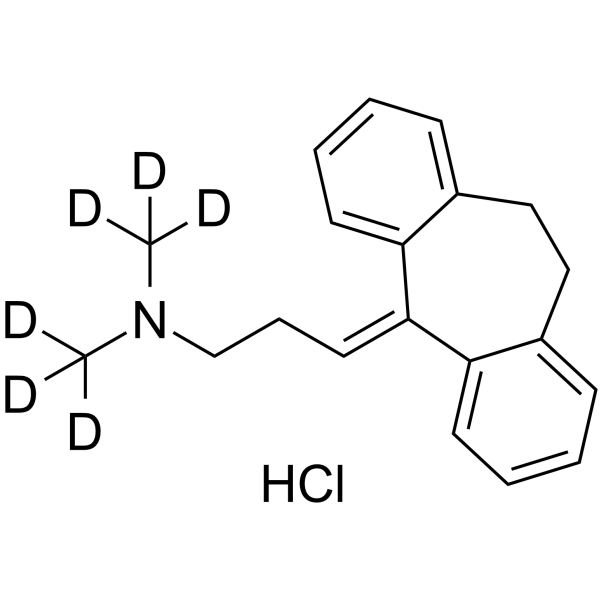 0 ImagesAmitriptyline-d6 hydrochloride is the deuterium labeled Amitriptyline hydrochloride (HY-B0527A). Amitriptyline hydrochloride is an orally active tricyclic antidepressant (TCA). Amitriptyline hydrochloride mainly exerts its antidepressant effect by blocking SERT (Ki = 3.45 nM) and NET (Ki = 13.3 nM), thereby increasing the concentrations of 5-hydroxytryptamine (5-HT) and norepinephrine (NE) in the synaptic cleft. Amitriptyline hydrochloride is also an agonist at α2A and TrkA/TrkB receptors, thereby exerting analgesic and neurotrophic activities (inhibiting cell apoptosis). Amitriptyline hydrochloride can reduce inflammation, angiogenesis and fibrosis. Amitriptyline hydrochloride binds to DAT (with Ki = 2.58 μM). Amitriptyline hydrochloride has high affinity for a series of receptors and can antagonize muscarinic cholinergic receptors (M1/M2/M3/M4/M5 receptors) (Ki = 11-24 nM), H1 receptors (Ki = 0.5-1.1 nM), adrenergic α1 receptors (Ki = 4.4 nM), etc., resulting in a series of side effects. Amitriptyline hydrochloride can block sodium channels and hERG potassium channel (IC50 = 4.78 μM) and it has cardiotoxicity.




